

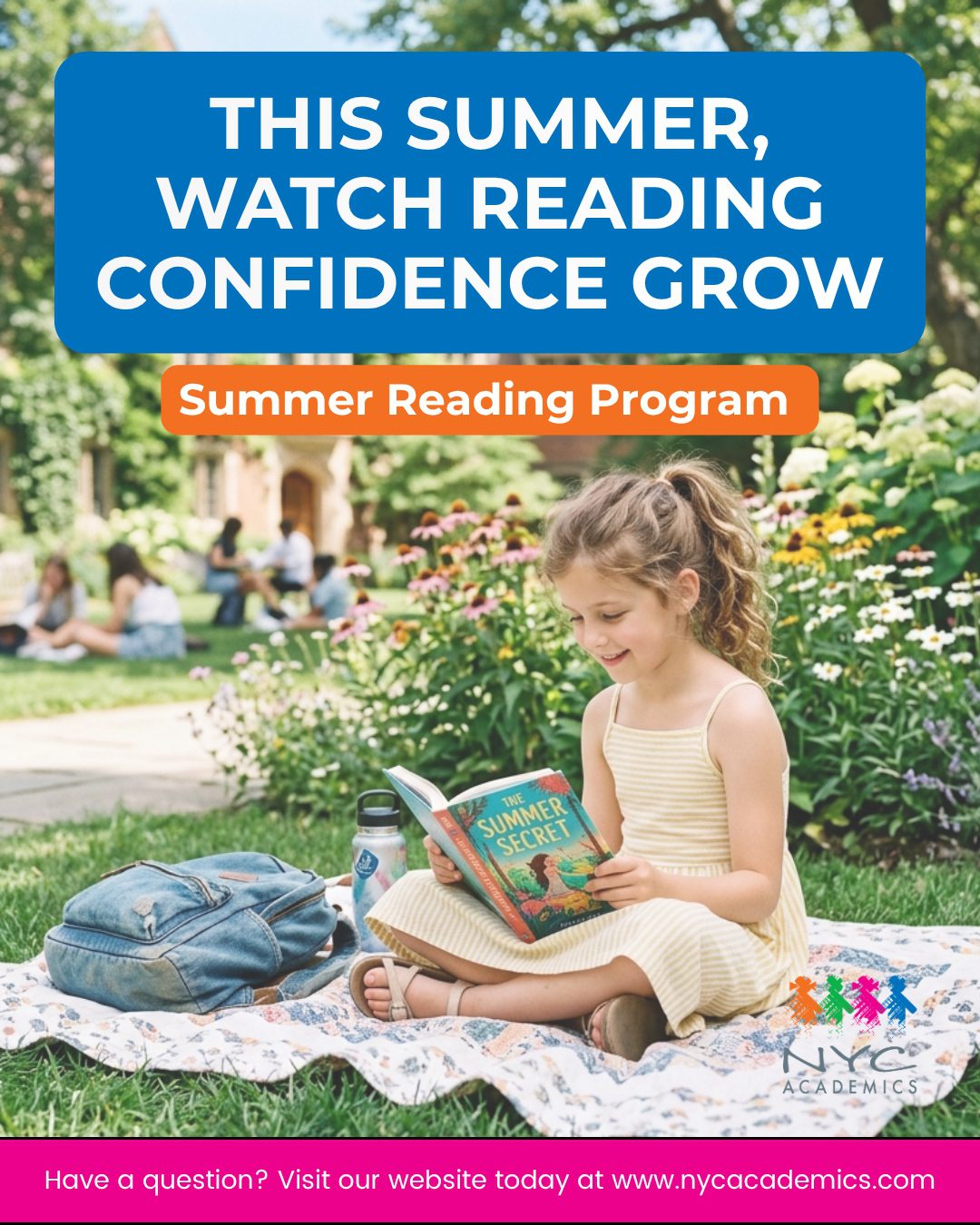
As the school year comes to an end, many families look forward to summer as a time to relax, recharge, travel, and enjoy a break from busy academic schedules. While summer should absolutely include fun, rest, and family time, it is also one of the most valuable opportunities to strengthen reading skills and build academic confidence in a positive, balanced, and meaningful way.
One of the greatest challenges students face during the summer months is what educators often refer to as the “summer slide” — the gradual loss of reading and academic skills that can occur when children spend long periods without consistent learning practice. However, summer learning does not need to feel rigid, stressful, or overwhelming. In fact, some of the most meaningful growth often happens when learning feels engaging, interactive, and naturally connected to everyday life.
Summer offers a unique opportunity for students to maintain strong literacy habits while building confidence as readers in a supportive and encouraging environment.
Why Reading Practice Matters During Summer
Reading is the foundation for nearly every academic subject. Strong reading skills support:
- Vocabulary development
- Reading comprehension
- Writing and communication skills
- Critical thinking
- Focus and attention
- Confidence across all subject areas
Even a small amount of consistent reading practice during the summer can make a meaningful difference when students return to school in the fall. Students who continue reading regularly are often better prepared academically and feel more confident transitioning into the new school year.
Summer also provides an opportunity for students to slow down and strengthen skills at a more comfortable pace without the pressure of homework, tests, and demanding school schedules.
Every Child Learns Differently
Educational psychologist Howard Gardner introduced the Theory of Multiple Intelligences, emphasizing that children learn in different ways and possess different strengths. Some students learn best through language and storytelling, while others connect more deeply through visuals, music, movement, discussion, or hands-on experiences.
This is one reason summer can be such a powerful season for learning. Without the pressure of rigid classroom pacing, students often have the opportunity to discover approaches that make reading feel more natural, enjoyable, and personally meaningful.
For example:
A child who enjoys art may respond well to illustrated stories or visual storytelling activities.
A student who enjoys movement may benefit from interactive reading games or reading aloud while actively participating.
A child interested in science or nature may become more engaged through nonfiction reading connected to personal interests.
When reading is connected to a child’s natural strengths and interests, motivation often increases significantly.
Reading Should Feel Engaging — Not Stressful
One of the most important things families can remember is that summer reading should not feel like punishment or endless worksheets. Reading can happen in fun, creative, and meaningful ways throughout everyday life.
Educational theorist Jerome Bruner emphasized the importance of active, discovery-based learning experiences in which children are fully engaged in the learning process. His work supports the idea that students learn more effectively when reading is interactive, meaningful, and connected to real-life experiences rather than passive memorization alone.
Children can strengthen literacy skills by:
- Reading aloud at the park
- Visiting the local library
- Listening to audiobooks during travel
- Keeping a simple summer journal
- Reading recipes, menus, signs, or directions
- Participating in storytelling activities
- Exploring books related to their interests and hobbies
- Joining interactive online reading sessions
When reading feels enjoyable and connected to everyday life, children are often more motivated to stay engaged and continue learning naturally.
Reading Can Happen Anywhere
Summer learning does not need to happen only at a desk or in a traditional classroom setting. Some of the best literacy experiences happen during ordinary daily moments.
Educational theorist Jim Cummins, whose work has significantly influenced literacy development, language acquisition, and bilingual education, emphasized the importance of meaningful and engaging literacy experiences that connect learning to students’ lives, interests, and language development. His research supports the idea that children build stronger academic confidence when reading feels interactive, purposeful, and connected to authentic experiences.
A trip to the grocery store can become a vocabulary activity. A family outing can inspire journal writing. Reading together before bedtime can strengthen comprehension, communication, and confidence.
Even short daily reading routines can help children maintain strong academic habits while still enjoying the freedom and excitement of summer.
The goal is not perfection. The goal is consistency, encouragement, and helping children see reading as something positive, empowering, and rewarding.
Creating A Balanced Summer Learning Routine
Summer is also an excellent opportunity for students to receive additional support in a flexible and encouraging environment.
A balanced summer learning routine should include opportunities for children to strengthen multiple areas of literacy development, including reading fluency, comprehension, vocabulary, discussion, and written expression. When students engage with reading in a variety of meaningful ways, they often develop stronger confidence, deeper understanding, and more consistent academic habits.
Online reading instruction can provide:
- Structure without overwhelming schedules
- Interactive and engaging lessons
- Personalized support based on individual needs
- Flexible scheduling during busy summer months
- Opportunities to strengthen fluency, comprehension, and confidence
Our online summer reading program helps students continue building strong literacy skills while keeping learning positive, supportive, and engaging throughout the summer.
Encouraging A Lifelong Love Of Reading
Summer should still feel joyful, balanced, and memorable for children. At the same time, maintaining consistent reading habits can help students return to school feeling more prepared, more confident, and more motivated to learn.
When reading becomes part of everyday life in a natural and encouraging way, children are more likely to develop not only stronger literacy skills but also a lifelong connection to learning.
As parents and educators, our goal is not simply to help children become stronger readers for one school year—it is to help them develop curiosity, confidence, and a lifelong belief in their ability to learn and grow.
At NYC Academics, we believe every child can become a stronger, more confident reader with the right support, encouragement, and opportunities to practice. Our reading programs are designed to help students strengthen literacy skills in a positive, engaging, and personalized learning environment.
Strong readers are not built in a single season. They are built through small, consistent experiences that help children discover confidence, curiosity, and the joy of learning.
Thank you for reading.
If you would like to learn more about our programs or discuss your child’s educational needs, we invite you to schedule a complimentary consultation.
